


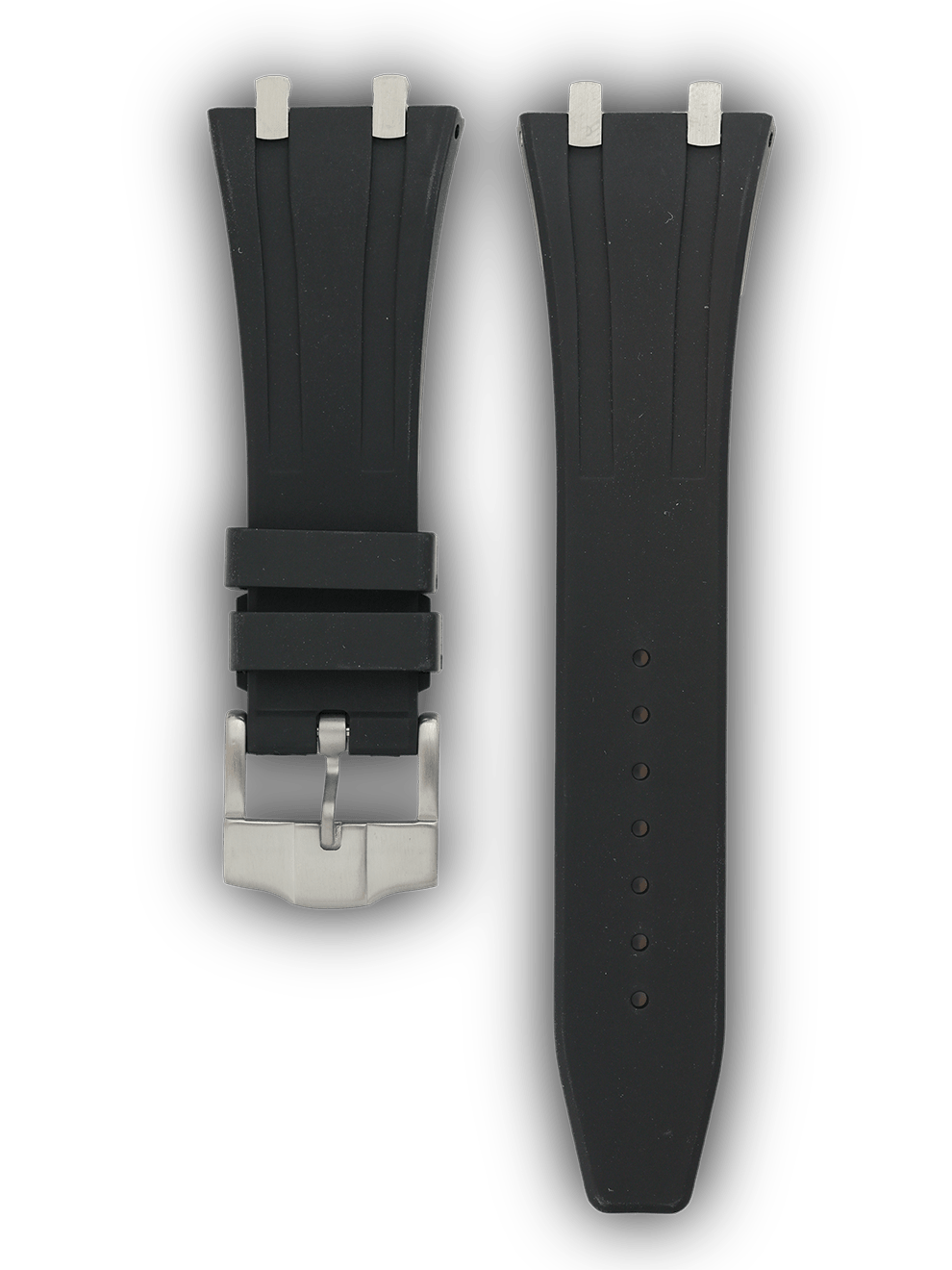
Are Seiko Mod Watches Worth the Money? The Complete 2026 Guide
A Patek Philippe Nautilus costs $35,000. The Seiko mod on our assembly bench cost $350. When we wear both side by side, most people cannot tell the difference — and the ones who can are usually impressed rather than dismissive. That gap between price and perception is what makes Seiko modding one of the most interesting spaces in the watch world right now.
If you are reading this, you probably fall into one of a few camps. Maybe you have been eyeing a Nautilus-style mod and wondering if it is actually good or just cheap. Maybe you are a watch collector curious whether these builds have any substance behind the Instagram photos. Or maybe you are comparing a $400 Seiko mod against a $650 Tissot PRX and trying to figure out where your money goes further. All of those are fair questions, and they deserve honest answers — not marketing copy.
This guide covers real costs with actual prices, the quality markers that separate a good build from a bad one, and the honest trade-offs you should know about before buying. We build and sell these watches every day at Nomods, so we will tell you exactly where the value is — and where it is not.

What Is a Seiko Mod Watch?
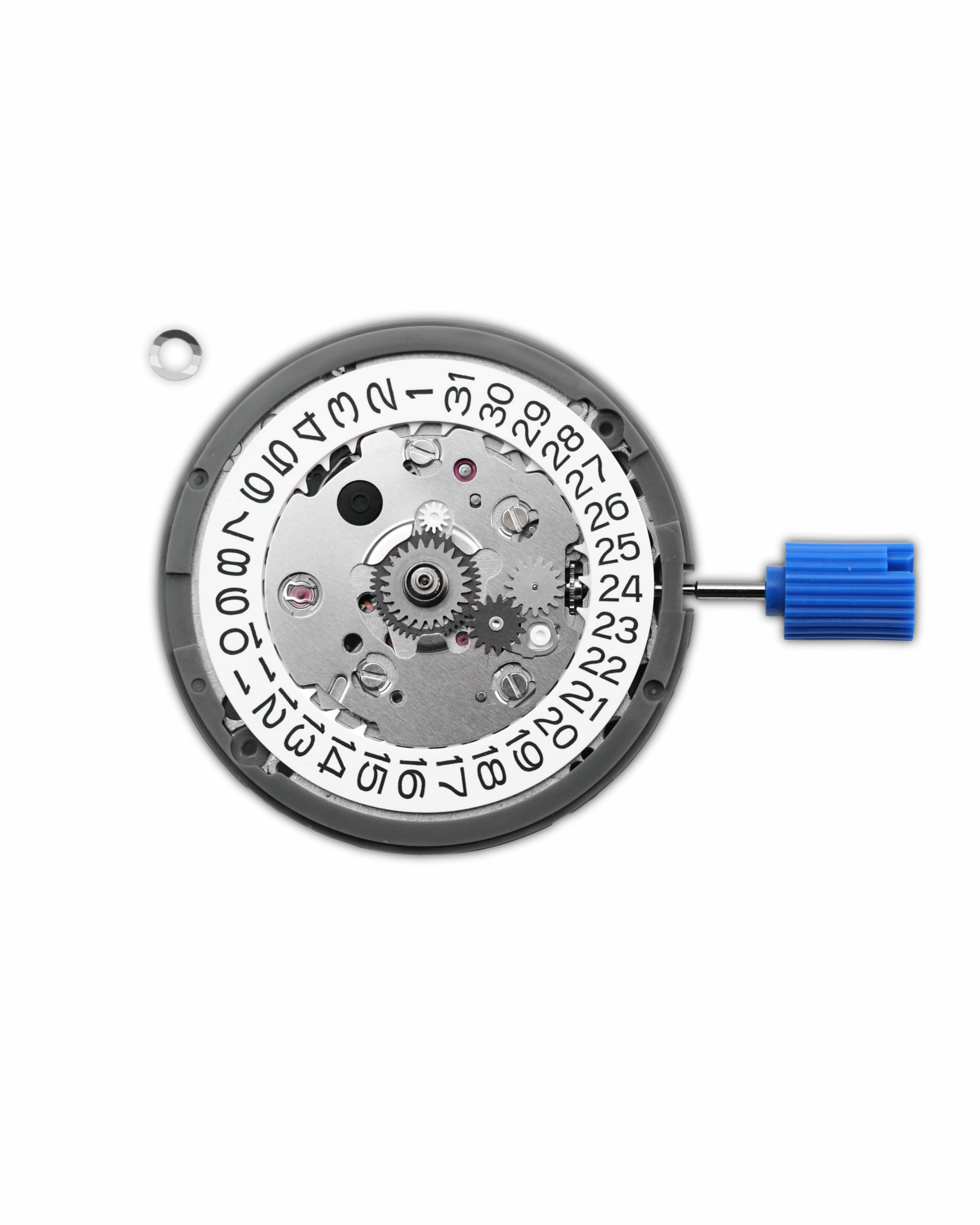
A Seiko mod is a custom watch built around a genuine Seiko-made automatic movement — typically the NH35, NH36, or skeleton NH72 — paired with aftermarket components: cases, dials, hands, crystals, and bracelets. The movement is manufactured by TMI (Time Module Inc.), a Seiko subsidiary, and is the same caliber found inside millions of factory Seiko watches. Everything else is custom.
The term "mod" originated from the practice of modifying stock Seiko watches — swapping dials and bezels on the SKX007 or Seiko 5. That tradition has evolved into something much bigger. Today, most Seiko mods are ground-up builds: the builder sources each component individually and assembles a completely new watch. The only Seiko DNA is the movement inside. For a deeper look at the fundamentals, read our complete guide to Seiko mods.
This matters for the "worth it" question because ground-up builds enable designs that Seiko has never produced: Royal Oak homages with octagonal bezels and integrated bracelets, Nautilus-style watches with horizontally embossed dials, and Aquanaut-inspired builds with tropical rubber straps. You are not paying for a brand name — you are paying for a specific combination of design, movement, and craftsmanship that does not exist anywhere else at this price.
The Real Cost Breakdown
Most articles about Seiko mod pricing give vague ranges. We are going to give you actual numbers based on what parts cost in our store, because transparency is the only way to answer the "worth it" question honestly.
DIY Build: $150–$300
If you source parts and assemble the watch yourself, here is what a typical build costs:
| Component | Budget | Mid-Range |
|---|---|---|
| Movement (NH35) | $25–35 | $25–35 |
| Case + bracelet | $60–100 | $120–180 |
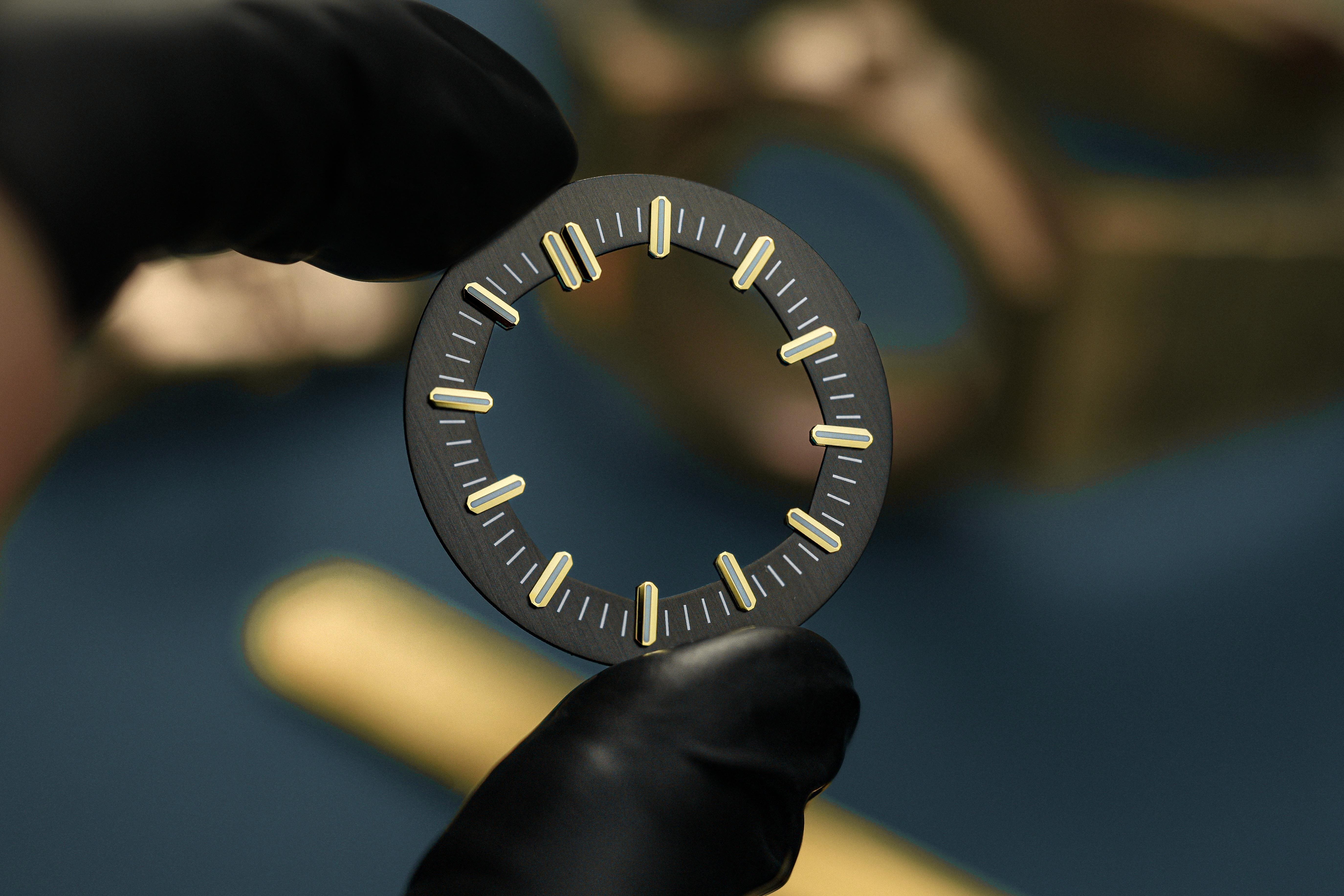
| Dial | $20–40 | $30–60 |
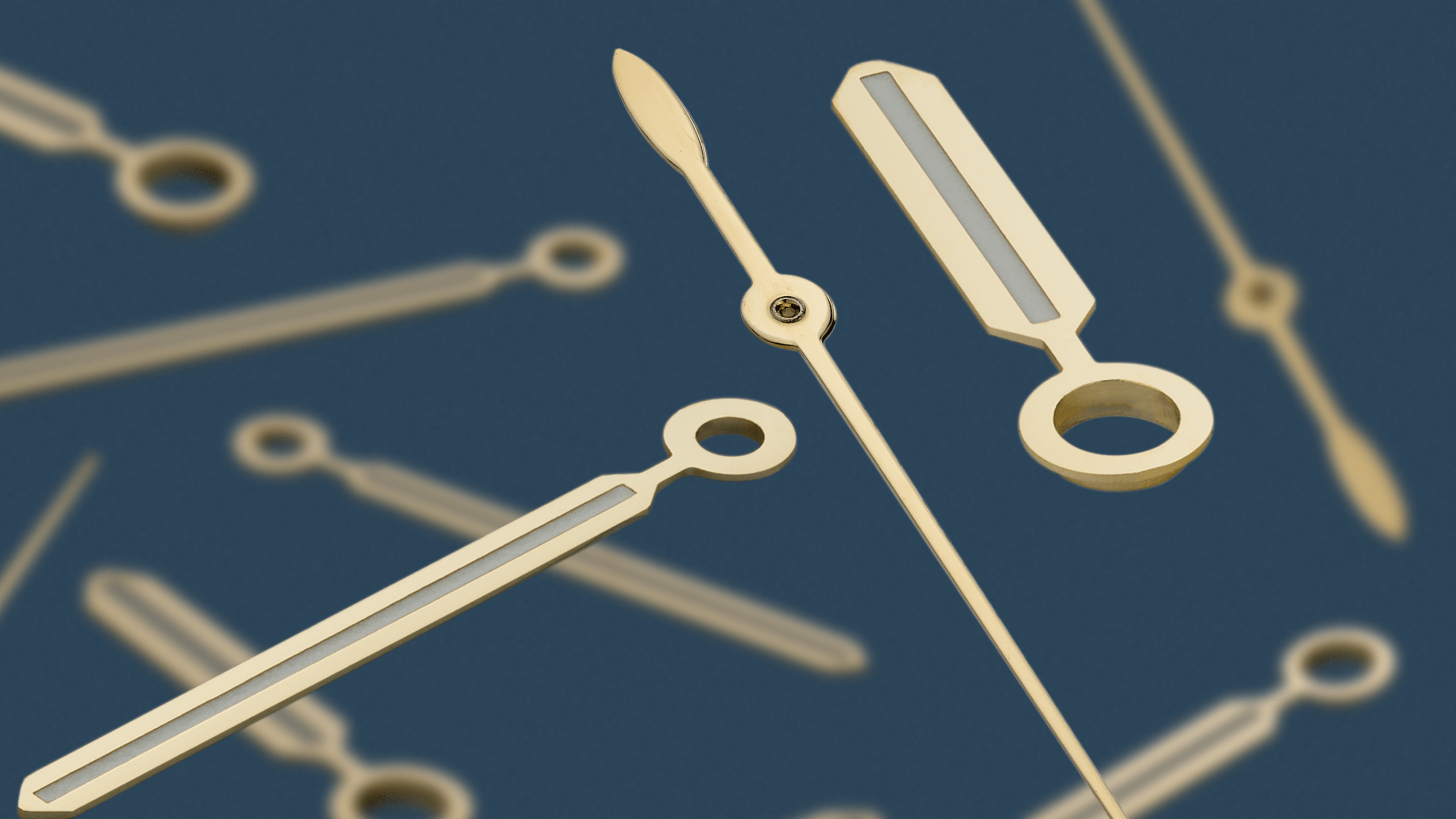
| Hands | $15–25 | $20–35 |
| Crystal (sapphire) | $15–25 | $20–35 |
| Tools (one-time) | $30–60 | $50–100 |
| Total | $165–285 | $265–445 |
The tool investment is one-time — it pays for itself on your second build. After tools, a repeat DIY build runs $135–345 depending on component quality. For a step-by-step walkthrough of the entire process, read our complete build guide.
Prebuilt Mid-Range: $290–$500
A prebuilt Seiko mod from an established seller includes professional assembly, movement regulation, quality inspection, and typically a warranty on workmanship. At Nomods, our complete mods in this range use NH35 or NH36 movements, sapphire crystals, 316L stainless steel cases, and integrated steel bracelets. You are paying $100–200 above component cost for the expertise, tools, and time required to assemble and regulate the watch properly.
This is where most buyers land. You get a finished watch that is ready to wear, with someone standing behind the assembly quality. If you want to see what is currently available, browse our best sellers for the most popular configurations, or check our top 5 prebuilt guide for curated recommendations.
Premium Skeleton Builds: $450–$800+
Skeleton builds use the NH72 movement, which is purpose-built to be seen through a cutaway dial. The movement bridges are decoratively finished, and the gear train is visible during operation. These builds cost more for three reasons: the NH72 itself costs $35–45 (vs $25–35 for an NH35), the 30.8mm skeleton dials are more complex to manufacture than solid dials, and the finishing expectations are higher across every component — any imperfection in the case, crystal, or movement decoration is amplified when the entire mechanism is on display.
Premium builds also tend to use the better-finished cases: deeper brushing, cleaner polished bevels, and tighter bracelet tolerances. At this price point, you are getting a watch that genuinely photographs well and has the visual depth that draws people’s attention on the wrist. Browse our skeleton collection for current options.
How Does a Seiko Mod Compare?
| Watch Type | Price | Movement | Crystal | Why Consider? |
|---|---|---|---|---|
| Factory Seiko 5 | $200–400 | NH35/36 (4R35/36) | Hardlex | Brand name, warranty, resale |
| Seiko Mod (DIY) | $150–300 | NH35/36/72 | Sapphire | Full customization, unique design |
| Seiko Mod (Prebuilt) | $290–500 | NH35/36/72 | Sapphire | Custom look, professionally assembled |
| Tissot PRX Automatic | $650 | Powermatic 80 | Sapphire | Swiss brand, 80-hour reserve |
| Homage (Pagani, Parnis) | $80–200 | Miyota/Seagull | Mineral or sapphire | Cheap, mass-produced |
| Entry Swiss (Hamilton) | $500–1,000 | ETA/Sellita | Sapphire | Swiss heritage, service network |
The sweet spot for Seiko mods sits between factory Seikos and entry-level Swiss. You get sapphire crystals, custom styling, and design freedom that no factory watch at this price offers — plus genuine Seiko movements rather than the Chinese calibers found in most homage brands. The trade-off is that you are buying craftsmanship from a smaller builder, not a century-old brand with a global service network. Whether that trade-off makes sense depends on what you value more: the brand on the dial or the watch on your wrist. For many buyers, the answer is obvious once they try both on.
Three Styles, Three Value Propositions
One of the most common questions we get is: "Which style should I choose?" The answer depends on what you want the watch to do for you. Here are the three main directions, with honest assessments of each.
Nautilus — Integrated Bracelet Elegance
The Nautilus collection draws from one of the most recognizable designs in watchmaking: the rounded octagonal case with horizontal embossing on the dial. At 40mm with an ultra-thin profile, it sits low on the wrist and the fully articulating integrated bracelet gives the watch a seamless, jewelry-like quality. Available with both NH35 (solid dial) and NH72 (skeleton) movements. This style is particularly striking as a skeleton build, where the open dial reveals the movement through the Nautilus-style case shape. For parts and build costs, read our Nautilus mod guide, or browse Nautilus-style parts for DIY.
Royal Oak — The Skeleton Showcase

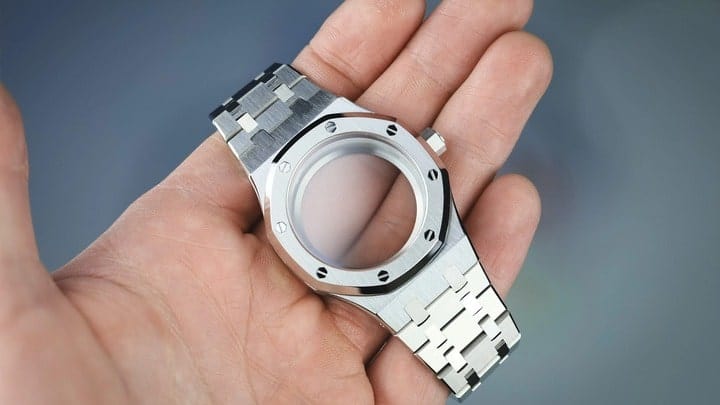
The Royal Oak collection takes its design cues from the most iconic octagonal watch ever made: exposed bezel screws, tapisserie-style dial texture, and an integrated bracelet that flows directly from the case. Available in both 37mm and 41mm, with your choice of solid dial or skeleton movement. The 37mm Royal Oak has become one of our best sellers — it captures the Audemars Piguet design language at roughly 1/50th the price. For build options and style breakdowns, read our Royal Oak mod guide or explore Royal Oak-style parts.
Petrichor — Compact Daily Elegance

The Petrichor 37mm is for buyers who want something outside the luxury-homage space. It is a clean, minimal round case with a screw-down crown and a compact profile that works equally well under a dress shirt or with a weekend jacket. One of our most popular customer choices this year was a Petrichor in silver — ordered as a Tissot PRX alternative by a buyer who wanted the integrated-bracelet look at 37mm without the Powermatic 80’s $650 price tag. He told us it gets more wrist time than anything else in his collection.
Style Comparison
| Nautilus | Royal Oak | Petrichor | |
|---|---|---|---|
| Case size | 40mm | 37mm / 41mm | 37mm |
| Movement options | NH35, NH72 | NH35, NH72 | NH35, NH72 |
| Bracelet | Integrated steel | Integrated steel | Integrated steel / strap |
| Prebuilt price | $350–550 | $290–500 | $290–400 |
| Character | Statement piece | Icon homage | Quiet elegance |
| Best for | Nautilus fans, skeleton lovers | AP fans, bold dressers | Daily wear, minimalists |
No competitor article can make this comparison because no other seller offers all three styles with consistent movement and quality standards. That is one of the real advantages of buying from a builder with a deep catalog — you can cross-shop and compare directly.
What Separates a Good Mod from a Bad One
Not all Seiko mods are created equal. The difference between a $200 disappointment and a $350 daily-wearer comes down to four things.
Movement Authenticity
Genuine NH movements are manufactured by TMI (Time Module Inc.), a Seiko subsidiary. They provide ±20 to ±40 seconds per day accuracy out of box, 41-hour power reserve, hacking and hand-winding, and global serviceability by any competent watchmaker. The NH35 and NH36 use 28.5mm dials; the skeleton NH72 uses 30.8mm dials. This size difference is the most common compatibility mistake in Seiko modding — read our 28.5mm vs 30.8mm dial guide before ordering. For a deeper look at the skeleton option specifically, see our NH72 movement guide.
Red flag: Listings that say "Japanese automatic" or "Seiko-compatible movement" without specifying the exact caliber. Genuine NH movements have a caliber number printed on the rotor — NH35A, NH36A, NH72A. Chinese clone movements use similar labeling but have inconsistent quality control, shorter power reserves, and limited serviceability. If the seller cannot tell you which exact caliber is inside, walk away.
Case and Bracelet Quality
The case is where the money goes in a quality build. 316L stainless steel is the baseline — it resists corrosion, takes a good polish, and does not irritate skin. What separates cheap from quality is the finishing: brushed and polished surfaces that transition cleanly without visible machining marks, solid end links instead of hollow stamped metal, and proper bracelet articulation without rattle or excessive play.
Integrated bracelets — the type used on Nautilus and Royal Oak cases — are significantly harder to manufacture than standard lug-and-strap designs. The bracelet must flow seamlessly from the case as a single visual unit, which requires tighter tolerances and more complex tooling. This is why integrated-bracelet cases cost $120–180 compared to $60–100 for standard strap cases. Browse the full strap and bracelet collection for options.
Crystal: Sapphire vs Hardlex

Sapphire crystal is the single most noticeable upgrade over a factory Seiko. It rates 9 on the Mohs hardness scale (only diamond is harder among common materials), which means it resists scratching from everyday contact that would mark Seiko’s Hardlex mineral glass within weeks. After a year of daily wear, a sapphire crystal still looks like the day it was installed. Many quality Seiko mods also include anti-reflective (AR) coating, which reduces glare and improves dial legibility in bright light. For a detailed comparison, read our sapphire vs Hardlex guide.
Water Resistance Reality
Factory Seiko dive watches undergo individual pressure testing to their rated depth. Most aftermarket cases are not individually pressure-tested — manufacturers provide theoretical ratings based on design specifications (gasket placement, crown type, caseback threading). Honest assessment: expect splash resistance for most Seiko mods. That covers handwashing, rain, and accidental exposure. If you plan to swim or dive, confirm the specific watch has been pressure-tested, not just rated on paper.
The Builder’s Perspective
This section exists because we think buyers deserve to know what actually happens between "box of parts" and "finished watch." Nomods founder Mathias has assembled hundreds of builds, and the assembly process is one of the main reasons a prebuilt mod costs more than the sum of its parts. Most sellers do not talk about what goes into their QC. We are going to.

Movement inspection comes first. Every NH movement we receive gets checked before it goes into a case. We wind the crown, verify hacking engages cleanly, check the rotor spin for smoothness, and visually inspect the balance wheel. Out of a hundred movements, we typically reject two or three for issues that would not necessarily show up immediately but would cause problems within six months — a sluggish rotor, inconsistent amplitude, or a crown that binds at full wind. DIY builders rarely have the experience to catch these issues.
Integrated bracelets are the hardest part of the build. On a Royal Oak or Nautilus case, the bracelet connects directly to the case body with no spring bars — it is a precision fit with screws and pins. Getting the bracelet to sit flush, articulate smoothly, and align symmetrically takes more time and care than the entire movement installation. A poorly fitted integrated bracelet wobbles, pinches skin, or sits crooked on the wrist. This is where DIY builders most often get frustrated, and it is one of the biggest reasons people choose prebuilt for integrated-bracelet styles.
Regulation makes a measurable difference. An NH35 straight out of the box runs within ±20–40 seconds per day. After regulation — adjusting the beat rate lever under magnification — we bring most movements to within ±10–15 seconds per day. That is the difference between adjusting your watch once a week and barely noticing the drift at all. It takes about 15 minutes per movement and requires a timegrapher or timing app, but it is one of those invisible quality steps that makes a prebuilt mod feel noticeably better than a DIY build where the builder skipped this step.
Crystal installation is more important than people think. A sapphire crystal needs to sit perfectly flush in its gasket channel. If it is even slightly tilted, it creates an uneven gap that compromises both the seal and the visual symmetry of the watch face. We check every crystal under magnification after pressing, rotating the watch under light to look for uneven reflections. A crooked crystal is the kind of defect you might not notice in a product photo but will see every time you glance at your wrist.
Quality markers to look for from any builder: documented movement caliber (not just "Japanese automatic"), clear photos of the actual watch you are buying (not stock renders), stated case material (316L stainless steel), crystal type (sapphire, ideally with AR coating), and a warranty that covers assembly defects. If a seller cannot answer basic questions about what is inside the watch, that tells you everything you need to know about their quality control. For a broader look at reputable sources, read our guide on where to buy Seiko mods.
Durability and Daily Wear
The NH movement platform has proven durability across millions of watches over decades. These are not delicate movements — they power Seiko’s own daily-wear lines, from the Seiko 5 to the Prospex. In a modded watch, the same movement delivers the same reliability: 5–10 years of daily wear between services when treated reasonably.
What lasts: 316L stainless steel cases resist corrosion from sweat, rain, and everyday exposure. Sapphire crystals eliminate the scratch accumulation that makes factory Hardlex look tired after a year. Ceramic bezel inserts (on models that have them) maintain their color and finish indefinitely. Quality rubber straps outlast cheap leather by years.
What degrades: PVD coatings can wear through at contact points (crown, bracelet clasp, caseback edges) over 2–3 years of heavy daily wear. This is cosmetic, not functional, but it is worth knowing if you choose a coated finish. Bracelet links naturally develop micro-scratches from desk diving and everyday bumps — this is true of every steel watch at every price point, including Rolex. If longevity is a priority, silver and steel finishes hide wear better than dark PVD. Rose gold coatings fall somewhere in between — the warm tone shows scratches less than black PVD but more than bare steel.
Service costs tell the real story. An NH movement service runs $100–150 at any watchmaker familiar with Seiko calibers. That same service on a Swiss ETA or Sellita movement costs $300–600+. Over a 10-year ownership period, the Seiko mod saves you $200–500 in maintenance alone. Parts for NH movements remain widely available and are standardized — no special ordering from a manufacturer or waiting on authorized service center timelines. On the r/SeikoMods community, one user summed it up well: "I have worn my NH35 mod daily for three years now. It runs +8 seconds a day and I have not touched it since the initial regulation. Try finding a Swiss watch that does that for under a thousand dollars."
Resale Value — The Honest Truth
We are going to be straightforward here because too many sellers avoid this topic. Seiko mods depreciate. So does almost every watch under $5,000.
Realistic Expectations
Expect to recover 40–60% of your purchase price if you sell a quality Seiko mod on the secondary market. That puts it roughly in line with factory Seikos, Tissots, and Hamiltons at similar price points. The watch world likes to pretend that "investment" is a reasonable buying criterion for most watches. It is not. Unless you are spending five figures on a Rolex or Patek with documented provenance and a long waitlist, your watch is a depreciating asset.
What Sells Well
Popular configurations in versatile colors — black, blue, or silver dials on steel bracelets — have the broadest secondary market. Documented builds from known sellers with original packaging move faster than anonymous builds with no provenance. Skeleton builds tend to hold value slightly better than solid-dial builds because they are more visually distinctive and command higher initial prices. For an overview of which configurations are trending right now, see our best Seiko mods in 2026 roundup.
What Struggles
Highly personalized builds with unusual color combinations appeal to narrow audiences. Unknown builders without a reputation or online presence create buyer hesitation. Incomplete sales missing straps, boxes, or component documentation suppress prices. The more niche your configuration, the smaller the pool of potential buyers.
The Better Question
Instead of "will this hold its value," ask "will I enjoy wearing this for the next three to five years?" If the answer is yes, the math works in your favor even with depreciation. A $400 watch that you wear 300 days a year for three years costs you $0.44 per day of enjoyment. That is less than a cup of coffee. A $35,000 Nautilus that sits in a safe waiting for the "right occasion" earns you nothing but anxiety about scratching it.
The watch enthusiasts who get the most value from Seiko mods are the ones who wear them as daily watches, not safe queens. Scratches on a $400 bracelet feel different from scratches on a $35,000 one. You might even find yourself being rougher with it than you would with a more expensive piece — and that freedom to actually use your watch without stress is worth more than any theoretical resale percentage.
DIY vs Prebuilt — Which Path?
Building Your Own
Advantages: Complete customization control, lower cost ($150–300 vs $290–500 for prebuilt), genuine satisfaction of assembling something mechanical with your own hands, and the ability to service or modify the watch yourself going forward.
Challenges: Tool investment of $50–100 for quality basics (movement holder, hand-setting tools, caseback opener, tweezers). Learning curve of 2–3 hours for a first build. Hand installation requires steady hands and patience. No warranty on your own assembly. Integrated bracelet fitting is difficult without experience.
Best for: Patient enthusiasts who enjoy the process as much as the result. If you are the type who builds keyboards, restores furniture, or tinkers with electronics, you will love Seiko modding. Our step-by-step build guide covers everything from movement installation to final testing, and all individual parts are available for DIY builds.
Buying Prebuilt
Advantages: Professional assembly and regulation, quality inspection before shipping, warranty coverage on workmanship, immediate wearability, and support if anything goes wrong. Someone with hundreds of builds behind them is simply going to produce a better-finished watch than a first-timer.
Considerations: $100–200 premium over component cost for assembly expertise. Less granular customization unless working with the builder directly. You are trusting the builder’s quality standards, which is why reputation and documentation matter so much.
Best for: Buyers who want the end result without the learning curve, value their time above component savings, or specifically want an integrated-bracelet style (Nautilus, Royal Oak) where professional fitting makes a noticeable difference. Browse complete Seiko mods for ready-to-wear options.
Most of our customers follow a pattern: they buy a prebuilt mod first, wear it for a few months, get curious about how it was made, and then try a DIY build for their second watch using our parts catalog. Both paths are valid. The watch world has room for buyers and builders, and moving between the two is part of what makes Seiko modding a hobby rather than just a purchase.
Common Concerns Addressed
"Is it a fake Patek / fake AP?"
No. A Seiko mod is an homage, not a replica. Replicas copy the exact branding, logos, and dial text of another manufacturer to deceive buyers into thinking they are getting the real thing. Seiko mods use original designs inspired by iconic watch aesthetics — they do not carry counterfeit branding, and they are sold under their own identity. The distinction is legally clear and ethically straightforward. For a deeper dive into the legal side, read our article on whether Seiko mods are legal. For the luxury-alternative angle, see our Seiko Patek mods guide.
"Will people judge me for wearing one?"
In our experience, the opposite. Watch enthusiasts who recognize the design tend to be genuinely interested rather than dismissive — the Seiko modding community is one of the most active and supportive spaces in the watch world. Non-watch people simply see a good-looking steel watch and either compliment it or do not notice. Nobody is examining your caseback for a Patek Philippe seal. The modding community on Reddit (r/SeikoMods, r/Watches) is overwhelmingly positive about quality builds, and the "is it a fake?" concern is far more common in the buyer’s mind than in actual social interactions.
"Can I swim with it?"
Covered in the water resistance section above, but the short answer: treat most Seiko mods as splash-resistant unless you have confirmed pressure testing on the specific watch you own. Handwashing, rain, and accidental splashes are fine. Lap swimming, diving, or hot tubs are not recommended unless the builder has confirmed individual testing.
"What if it breaks?"
The NH movement is one of the most widely serviced calibers in the world. Any independent watchmaker who works on Seiko watches can service it. Parts are standardized, widely available, and inexpensive. A full movement service costs $100–150 and takes days, not weeks. Case-side issues (crown, gasket, bracelet) are similarly straightforward — replacement parts are available from any Seiko mod parts supplier.
This is one area where Seiko mods actually outperform many Swiss watches. There is no proprietary service network requiring authorized dealers, no multi-month wait for parts from the manufacturer, and no $500 minimum service fee. If your local watchmaker can service a Seiko 5, they can service your mod — because the movement inside is the same caliber. That practical serviceability matters more over a decade of ownership than any brand prestige on the dial.
Frequently Asked Questions
Are Seiko mod watches worth the money?
Yes — if you buy from a reputable builder using genuine NH movements, sapphire crystals, and 316L steel cases. A quality Seiko mod costs $290–550 and delivers the look of a $5,000+ luxury watch with proven Japanese mechanical reliability. The key is choosing a builder who documents their parts and stands behind their assembly.
How much does a quality Seiko mod cost?
DIY builds run $150–300 for parts (movement, case, dial, hands, crystal, tools). Prebuilt mods from established sellers cost $290–500. Premium skeleton builds with NH72 movements range from $450–800+. The biggest cost variables are the case and bracelet construction.
What is the difference between a Seiko mod and a fake watch?
A Seiko mod is an original watch that uses a genuine Seiko-made movement with aftermarket parts designed around it. It does not carry counterfeit branding or attempt to pass as another brand. A replica copies the exact logos, dial text, and branding of a luxury watch to deceive buyers. Seiko mods are homage watches — inspired by iconic designs but sold under their own identity.
Do Seiko mods hold their value?
Most Seiko mods depreciate 40–60%, similar to other watches below the luxury price threshold. Well-documented builds from established sellers in popular configurations hold value best. Seiko mods are not investment pieces — they are daily-wear watches that deliver satisfaction far above their price point.
Can you swim with a Seiko mod watch?
Most Seiko mods are splash-resistant but not individually pressure-tested for swimming. Water resistance depends on gasket seating, caseback torque, and crown seal quality. Unless your specific watch has been pressure-tested, treat it as safe for handwashing and rain but not for swimming or diving.
Are Seiko mods durable enough for daily wear?
Yes. Quality Seiko mods using 316L stainless steel cases, sapphire crystals, and genuine NH movements handle daily wear without issues. The NH movement platform runs reliably for 5–10 years between services. Sapphire resists scratching far better than factory Hardlex, and 316L steel resists corrosion in everyday conditions.
Is it better to build or buy a Seiko mod?
It depends on what you value. Building saves $100–200 on assembly costs and gives you complete customization control, but requires a $50–100 tool investment and 2–3 hours of careful work. Buying prebuilt gets you professional assembly, quality inspection, and warranty coverage. Most first-time buyers start with a prebuilt mod and try DIY for their second watch.
Where can I get a Seiko mod serviced?
Any watchmaker experienced with Seiko movements can service NH calibers. Parts and expertise are widely available because these movements power millions of factory Seiko watches. Service costs typically run $100–150 every 5–7 years — significantly less than Swiss movement servicing at $300–600+.
What movement is best for a Seiko mod?
The NH35 is the best all-rounder: reliable, affordable ($25–35), supports hacking and hand-winding, and compatible with the widest range of parts. Choose the NH36 for a day-date display, or the NH72 for skeleton and open-heart builds. All three are manufactured by TMI, a Seiko subsidiary.
Are Seiko mods legal?
Yes. Seiko mods are legal to build, buy, and sell. They use genuine Seiko-made movements and original aftermarket parts — they do not infringe on trademarks because they are sold under their own brand identity, not as counterfeits. Read our full legal guide for details.
Read More
- How to Build Your First Seiko Mod: Step-by-Step Guide
- What Are Seiko Mods? A Complete Guide
- Seiko Nautilus Mods: Complete Cost and Build Guide (2026)
- Seiko Royal Oak Mods: How to Build and Buy
- Sapphire vs Hardlex Crystals for Seiko Mods
- NH72 Skeleton Movement Guide
- 28.5mm vs 30.8mm Seiko Dials: Which Should You Choose?
- Best Seiko Mods in 2026
- Where to Buy Seiko Mods: Trusted Sellers Guide
- Top 5 Prebuilt Seiko Mods
- Are Seiko Mods Legal?
- Seiko Patek Philippe Mods: The Luxury Alternative
Nomods is an independent brand specializing in Seiko-compatible watch modifications. We are not affiliated with, endorsed by, or connected to Seiko, Rolex, Audemars Piguet, Patek Philippe, or any other watch brand mentioned on this site. All brand names and trademarks are the property of their respective owners and are used solely for descriptive and comparative purposes.


